Introduction
Septic systems are a crucial part of rural and suburban living. They manage wastewater when municipal sewer systems aren't available, making them essential for maintaining hygiene and safety in our homes. One significant aspect of septic system maintenance is septic tank pumping, a process that ensures your tank operates efficiently. But what happens after your septic tank has been pumped? In this article, we’ll dive deep into the expectations, processes, and aftercare involved post-pumping, ensuring you fully understand how to maintain your system effectively.
What to Expect After Your Septic Tank Has Been Pumped
When your septic tank is pumped by a professional service like Ace Septic & Waste, it’s normal to have questions about what comes next. After all, this isn’t just a routine chore; it’s a fundamental part of maintaining your home's waste management system. Here’s what you can expect:
Immediate Cleanliness: Once the pumping is completed, you'll notice an immediate improvement in the cleanliness of your septic system. All the sludge and scum that accumulated over time will be removed.
Improved Drainage: If you've experienced slow drains or backups before the pumping, you should notice that your plumbing works much better afterward. The increased capacity allows for proper drainage.
Temporary Water Issues: It’s common to see some temporary water pooling around the drain field area post-pumping as water levels adjust back to normal.
No Odor: Following a pumping session from professionals like Ace Septic & Waste, any sewage odors should dissipate quickly if there were any present before.
Time for Recovery: Even though your septic tank may feel newly refreshed, it requires time to stabilize and recover after being pumped.
Professional Assessment: During pumping, technicians often conduct a thorough inspection of your system's components—this includes checking for leaks or damages which could lead to larger issues down the road.
Recommendations for Maintenance: Post-service, it's typical for professionals to provide specific recommendations tailored to your system's needs based on their findings during the pump-out.
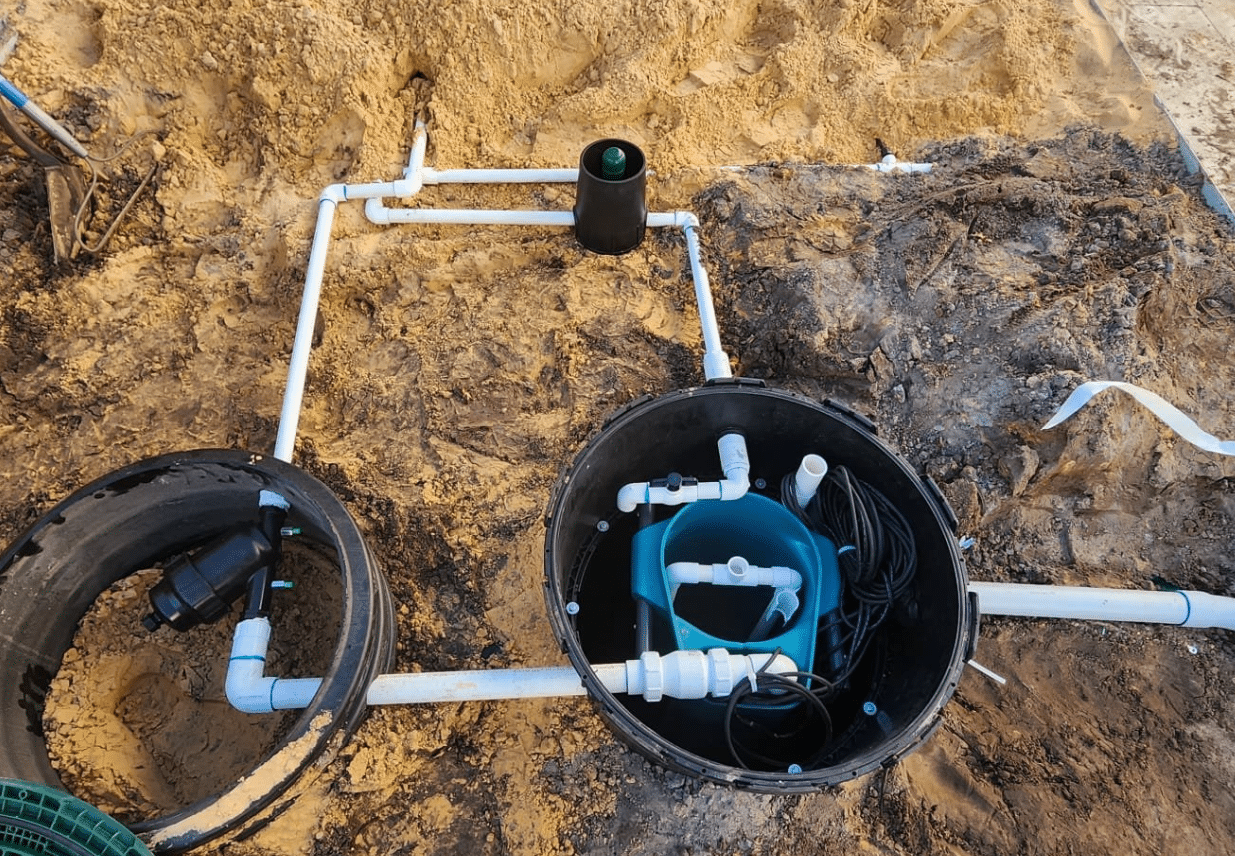
Future Planning: Regular maintenance schedules should be discussed to prevent future issues—generally recommended every 3-5 years depending on usage and tank size.
Understanding Septic Tank Systems
How Do Septic Tanks Work?
A septic tank operates under simple principles of gravity and natural Septic tank Pumping biological processes:

- Wastewater from your home flows into the tank. Solids settle at the bottom while grease floats on top. Bacteria break down solids over time. Liquid effluent exits through a drain field where it further filters through soil.
Components of a Septic System
There are several key components in a typical septic system:
- Septic Tank: The primary containment unit where separation occurs. Drain Field (Leach Field): The porous area where liquid waste percolates back into the ground. Pipes/Lines: Connects home plumbing with the septic tank and drain field.
Signs You Need Septic Tank Pumping
Before diving deeper into post-pumping expectations, let’s discuss when you might need pumping:
- Slow drainage throughout the house Foul odors near drain fields Gurgling sounds in plumbing Puddles above the drain field
If you're experiencing these symptoms regularly, it might be time for a service call!
The Process of Pumping Your Septic Tank
Choosing a Professional Service
Selecting professionals like Ace Septic & Waste ensures quality results:
Experience matters—look for certified technicians. Customer reviews can provide insights into reliability. Ask about their pumping methods—modern technology can make all the difference!The Pumping Procedure
Here’s what typically occurs during pumping:
The technician arrives and assesses access points. They connect hoses from their truck to your septic tank's inlet/outlet. The contents are pumped out until only liquids remain. Any necessary inspections occur at this stage.What Happens Immediately After Pumping?
After the pump-out process ends, homeowners often have lingering questions about immediate effects:
Initial Observations Post-Pump
Expect to see changes right away:
A clean interior if viewed through inspection ports. Improved flow within household plumbing fixtures. Absence of unpleasant smells around impacted areas.Potential Short-term Effects on Drain Field
Keep an eye out for these signs immediately following pumping:
Temporary puddling may occur as water levels normalize—this is generally not alarming. Soil saturation might take some time based on weather conditions prior to pumping.Long-term Expectations After Pumping Your Septic Tank
Once you've settled back into everyday life post-pumping, consider these long-term impacts:
Maintenance Schedule Planning
Establishing a regular maintenance schedule is critical:
- Aim for every 3–5 years depending on family size and water usage habits.
Table: Recommended Septic Tank Maintenance Schedule
| Household Size | Recommended Pumping Frequency | |-----------------|-------------------------------| | 1–2 People | Every 5 years | | 3–4 People | Every 3 years | | 5+ People | Every 2 years |
Monitoring System Performance Over Time
Regular monitoring is essential:

Common Myths About Septic Tank Maintenance
Myth #1: “You Only Need To Pump When There's A Problem”
This misconception can lead to costly repairs down the line! Proactive maintenance helps prevent clogs and other issues before they escalate.
Myth #2: “All Products Are Safe For My Septic System”
Not all household cleaners are created equal; many contain chemicals harmful to beneficial bacteria necessary for breaking down waste in your septic tank!
Best Practices For Maintaining Your Septic System Post-Pump
Now that we've covered what happens after pumping let's discuss best practices moving forward:
1) Practice Water Conservation
Using less water prevents overwhelming your system:
- Fix leaks promptly Spread out laundry loads Install low-flow fixtures
2) Mind What You Flush
Avoid flushing anything other than toilet paper:
- No wipes—even if labeled "flushable" No feminine hygiene products No grease or fats
3) Keep Drain Fields Clear
Ensure nothing obstructs drainage areas:
- Avoid parking vehicles on drain fields Stay clear of heavy landscaping or structures above these areas
FAQ Section
What signs indicate my septic tank is full?
Signs include slow drains across multiple fixtures, gurgling sounds in pipes, or unpleasant odors near tanks/drain fields.
How often should I get my septic tank pumped?
Typically every 3–5 years; however, frequency may depend on household size and water usage habits.
Can I use additives in my septic tank?
While many products claim benefits for septics, using them without professional advice can sometimes hinder natural bacterial processes critical for waste breakdown!
Will I smell anything after my tank has been pumped?
There might be minimal odor initially due to disturbance; however, it should dissipate quickly with proper ventilation following service completion!
Is it normal for my yard to feel soggy after pumping?
Yes! Temporary saturation may occur as effluent adjusts back into soil; monitor conditions but don’t panic unless prolonged sogginess persists beyond expected recovery times!
What if I experience issues soon after pumping?
If problems arise shortly post-service—like backups or persistent smells—it’s advisable to contact Ace Septic & Waste immediately so they can conduct further assessments without delay!
Conclusion
Understanding what happens after your septic tank has been pumped can help alleviate concerns while ensuring optimal performance moving forward! By adhering strictly to maintenance best practices and scheduling regular assessments with trusted professionals like Ace Septic & Waste—you’re taking proactive steps toward safeguarding both environmental health and personal comfort within your home! Remember—the more informed you are about managing this essential aspect of homeownership—the better equipped you’ll be at preventing future headaches related directly back onto those pesky plumbing woes!